
Expert Guide: How to Choose the Right Grinding Wheel for Your Material

Posted by Social AMS on 5th Aug, 2025
At AMS, our team of experts provides practical guidance on selecting the right grinding wheel for your specific surface material, an essential read for both engineers and corporate purchasing departments.
This article shares real-world insights drawn from direct consultations between our technical advisors and our customers, helping you place the right grinding wheel orders with accuracy, quality, and time-saving efficiency.
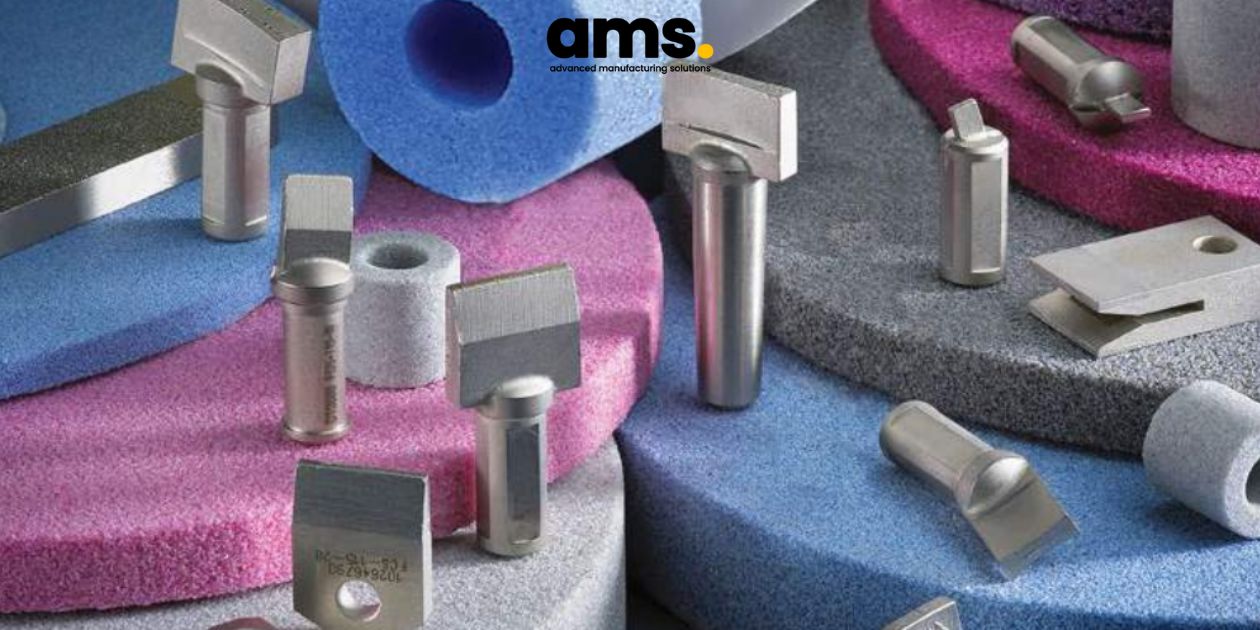
1. What is a Grinding Wheel?
A grinding wheel is an abrasive tool made from abrasive grains and bonding materials. Its surface contains thousands of cutting points and voids that facilitate efficient material removal.
There are four main types of abrasive grains commonly used:
-
Ceramic Aluminum Oxide
-
Silicon Carbide
-
Zirconia Alumina
-
Aluminum Oxide
Grinding wheels are typically used with grinders or bench grinders.
2. Understanding Grit Size and Application
Choosing the correct grit size is critical for both engineers and buyers.
-
Engineers must provide accurate grit specifications to meet production needs.
-
Purchasers, even if not technically specialized, should understand grit basics to communicate efficiently with suppliers.
2.1 Grit Size Overview
Lower grit numbers = Larger grains = Aggressive cutting & rough finish
Higher grit numbers = Smaller grains = Smoother finish
2.2. Why Grit Size Matters
Incorrect grit selection can lead to:
-
Poor material removal rate
-
Surface damage
-
Reduced tool life
-
Overheating and safety issues
2.3 Key Factors to Consider When Choosing Grit Size
A. Material Type
-
Hard metals (steel, stainless steel): Start with coarse grit (40 - 60), then refine with medium or fine grit.
-
Soft metals (aluminum, brass): Use medium to fine grit (80 - 220) to avoid clogging and ensure smooth finish.
-
Non-metal materials (wood, plastic): Use fine grit (>150) to prevent scratching or heat-related damage.
B. Application Purpose
-
Blade/tool sharpening: Start with coarse (~60), finish with fine (up to 400+).
-
Surface shaping: Coarse or medium grit.
-
Finishing & polishing: Fine or ultra-fine grit.
C. Wheel Material
-
Aluminum Oxide: Ideal for steel, available in various grit sizes.
-
Silicon Carbide: Better for non-ferrous metals and soft materials.
-
Diamond: Best for ultra-hard materials; typically fine grit, but highly effective.
D. Machine Speed
-
High-speed machines: Use finer grits to prevent overheating.
-
Low-speed machines: Can handle coarser grits without damaging the workpiece.
3. How to Specify the Right Grinding Wheel for Your Material
Norton grinding wheels are widely used in factories. At AMS, we work directly with the brand to ensure fast and accurate orders. Please provide the following when placing an order:
-
Billing and shipping address
-
Purchase Order number
-
Product information including:
-
UPC Code
-
Wheel Shape (refer to shape index)
-
Dimensions (e.g., Diameter x Thickness x Hole)
-
Full spec code (e.g., ASD120-R100B99-1/8)
-
Technical drawing code (if applicable)
-
Quantity
-
4. Best Practices for Grinding Without Damaging Your Tools
A. Apply Moderate Pressure
Too much pressure causes heat buildup and uneven wear. Instead:
-
Use light, consistent pressure
-
Let the wheel do the work
-
Pause regularly to check progress
B. Maintain Proper Angle
-
Follow manufacturer-recommended angles
-
Use angle guides if needed
-
Incorrect angles reduce tool efficiency and increase wear
C. Use Intermittent Grinding
-
Grind in short bursts with pauses
-
Let the tool cool down between sessions
D. Keep Tools Cool with Coolant
-
Frequently dip the tool in water
-
Use grinding-specific coolant
-
Consider wet grinders with integrated cooling systems
5. Maintenance Tips to Extend Grinding Tool Life
A. Follow a Maintenance Schedule
Keep tools clean, rust-free, and oiled. Well-maintained tools respond better to sharpening.
B. Replace Worn Grinding Wheels Regularly
Worn wheels reduce performance and increase heat risk. Replace based on usage time and visual inspection.
C. Train All Users on Proper Techniques
Whether in a factory or home shop, all operators should know safe grinding methods.
D. Use Personal Protective Equipment (PPE)
Safety gear goggles, gloves, ear protection, and dust masks—not only protects users but also enhances focus and tool control.
6. Conclusion
This guide helps you confidently choose the right grinding wheel for your materials and optimize your purchasing process. At AMS, we're always ready to support you with technical advice and quality grinding solutions. Contact us today to purchase authentic Norton grinding wheels or get expert assistance.
AMS Company, Ltd.243/9/10D To Hien Thanh, Ward 13, District 10
Hot line: 028.3868 3738/3903 - Fax: 028.3868 3797