
Why a Certified Mechanical Components Supplier Is the Foundation of Precision Manufacturing

Posted by Social AMS on 11th Nov, 2025
How do manufacturers define a certified mechanical components supplier? Why is choosing the right supplier so critical to precision manufacturing? This article explores the growing trend of supply chain diversification in the mechanical engineering industry and provides essential technical insights for both procurement teams and plant engineers.
Each section reflects the key messages AMS experts want to share with manufacturers insights drawn from years of consultation and collaboration with our valued customers.

1. The Rising Trend of Supply Chain Diversification in the Mechanical Industry
The rapid growth of industries such as automotive, aerospace, electronics, and home appliances continues to drive demand for machining and component production.
According to Grand View Research, the global CNC machining market was valued at USD 63.5 billion in 2023 and is expected to grow at a CAGR of 6.2% from 2024 to 2030. This data points toward a promising future for the precision manufacturing sector.
Within this landscape, the CNC machining ecosystem forms a complex network of interdependent processes that directly influence final product quality. Precision manufacturing only achieves maximum efficiency when this supply chain is closed-loop and optimized.
To reach that level, maintaining high-quality materials, tools, and production supplies is crucial to ensure that finished products meet strict standards, comply with technical specifications, and are delivered on time.
As procurement needs expand and quality requirements diversify, more distributors and commercial suppliers are entering the supply chain. Events such as Metalex, MTA Vietnam, and Vietbuild 2025 are strong indicators of this movement gathering manufacturers, suppliers, and buyers to exchange insights and foster business growth.
In addition, supply diversification is visible through the variety of product origins from EU, the US, Japan, and China allowing local manufacturers to source more flexibly. However, such diversification also intensifies competition among distributors, leading to the emergence of unfair practices that can pose risks for manufacturers.
>> Read more: Latest Insights into Vietnam's Precision Engineering Industry
2. Risks of Choosing a Non-Certified Mechanical Supplier
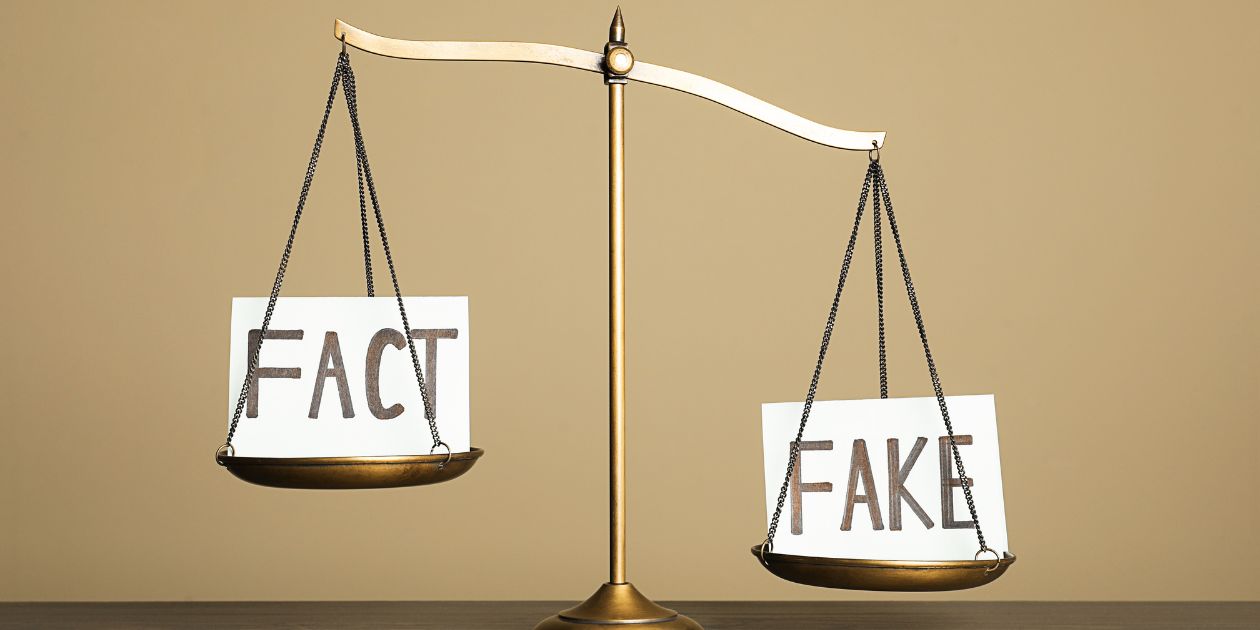
Below are some common risks manufacturers may encounter when selecting the wrong supplier. While multiple factors can cause these issues, supplier choice remains the fundamental decision that shapes downstream results.
AMS has encountered numerous real-world cases that highlight the following risks:
-
Counterfeit or Low-Quality Products: With the proliferation of low-cost machinery and the pursuit of profit through imitation brands, counterfeit technical goods have become increasingly sophisticated, often indistinguishable from genuine products. Many customers only realize they purchased counterfeit items after failures occur, and when they attempt to reorder, they find the product series no longer traceable.
-
Technical Performance Issues: Low-quality equipment can cause premature wear, machine vibration, scratched surfaces, and inconsistent outputs completely undermining the goals of performance, optimization, and consistency.
-
Hidden Operational Costs: Using substandard materials or components can increase maintenance and lifecycle costs, not to mention downtime losses that disrupt schedules and cause cascading project delays.
3. Lessons Learned: Supplier Evaluation and Quality Control
As a technical solutions distributor of certified mechanical products, AMS recommends that manufacturers mitigate risks through strict incoming inspection and by partnering with reliable, certified suppliers. Below are several key Q&A checkpoints your procurement or engineering team should consider before selecting a supplier:
-
Is the Supplier Officially Authorized by the Brand?
Authorized distributors often provide official documentation confirming their partnership with the manufacturer. This ensures genuine sourcing and post-sales technical support from troubleshooting to maintenance solutions.
-
Can the Distributor Provide CO/CQ Certificates?
CO (Certificate of Origin) and CQ (Certificate of Quality) are essential documents verifying a product's authenticity and quality. Every genuine mechanical component imported from an official manufacturer comes with these certifications. If a distributor offers branded products but cannot provide CO/CQ documents, you have valid reasons to question their legitimacy.
-
Is the Supplier Willing to Collaborate on Complex Issues?
Problem-solving capability is another key criterion. Reliable suppliers share a long-term vision with manufacturers offering flexible policies, strong collaboration, and prioritizing customer needs.
-
Are the Quotations Truly Competitive?
From a procurement perspective, pricing and delivery time are crucial. However, not all technical products are identical. Some require specific lead times due to custom production schedules. A supplier's quote that seems too cheap or too fast could be a warning sign of compromised quality. Optimal purchasing decisions come from balancing price, availability, and technical assurance.
4. AMS - Certified Mechanical Components Supplier Supporting Quality Verification
AMS is widely recognized as the exclusive distributor of Heidenhain in Vietnam, and also supplies a wide range of advanced technical solutions worldwide, including:
-
Polishing solutions: Kemet, Hyperion, Xebec, Gesswein
-
Grinding solutions: Norton
-
Machining tools: Sandvik
-
Machinery and accessories: GF, Mann-Filter
Recently, AMS has received reports from customers who unknowingly purchased counterfeit versions of well-known brands such as Leine Linde, Norton, and Sumtak.
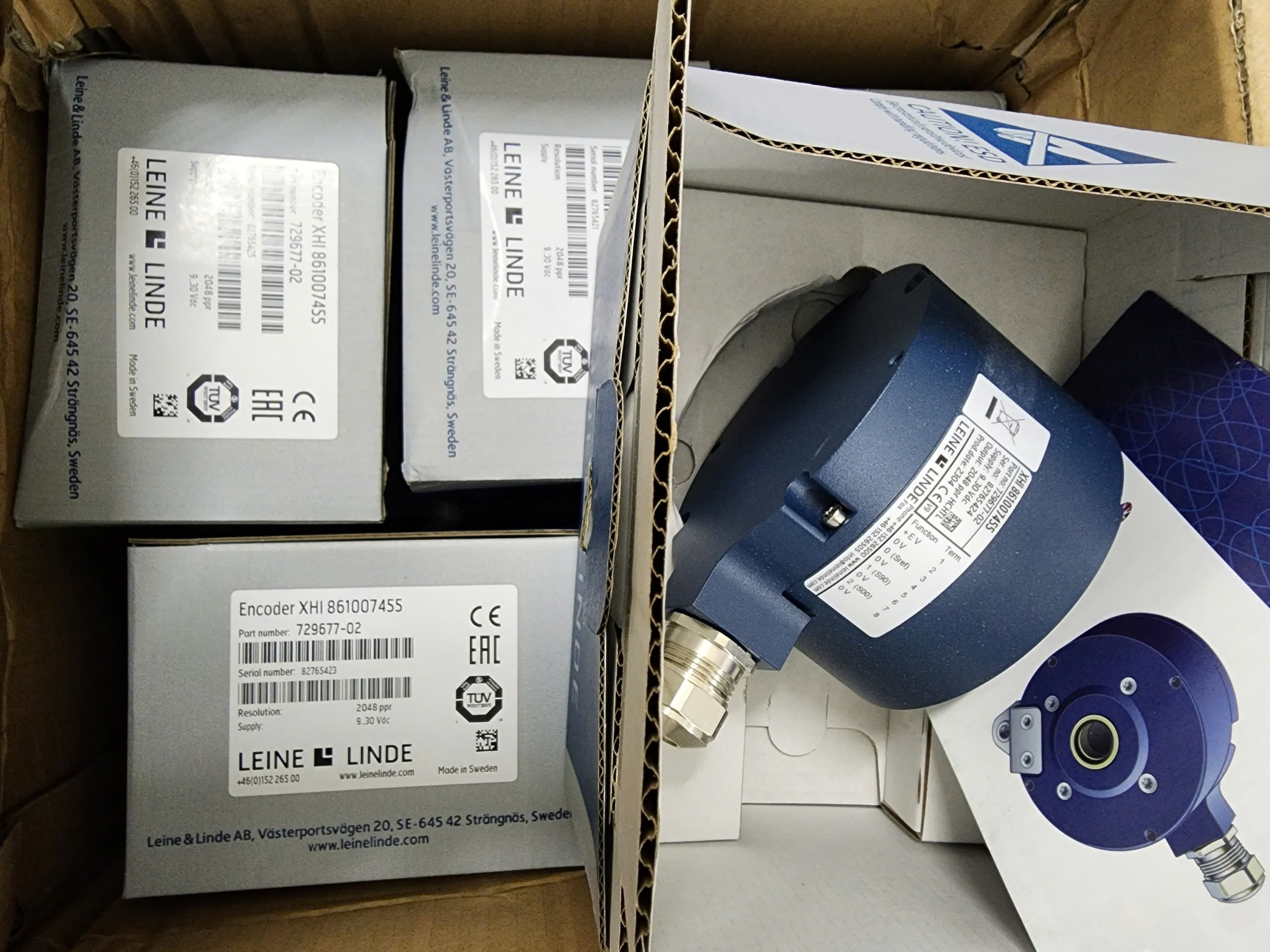
Counterfeit mechanical products are increasingly difficult to detect in today's market. If you suspect your products may not be genuine, contact AMS for assistance. We offer quality verification support for mechanical components within our distributed product ranges.
5. Conclusion
Thank you for reading our insights on how certified suppliers establish trust and form the foundation of precision manufacturing. High-quality mechanical products play a vital role in shaping the success of final outputs and optimizing the entire production process. Amid countless choices, make the smart one partner with AMS, your trusted source for certified technical solutions and precision manufacturing excellence.
AMS Company, Ltd.243/9/10D To Hien Thanh, Ward 13, District 10
Hot line: 028.3868 3738/3903 - Fax: 028.3868 3797